
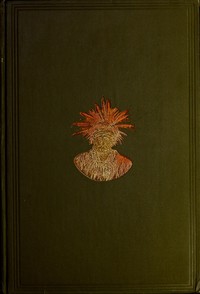
First Annual Report of the Bureau of Ethnology by John Wesley Powell et al.
Don't let the formal title fool you. This isn't a dry textbook; it's the origin story of American anthropology. Published in 1881, this 'report' is the first public account of the newly created Bureau of Ethnology's work. Its core mission, directed by the formidable John Wesley Powell, was straightforward yet monumental: systematically study and preserve knowledge of the Indigenous peoples of North America.
The Story
There's no traditional narrative with a beginning, middle, and end. Instead, the 'story' is the launch of a great intellectual expedition. The book details the Bureau's first year of operations—its goals, its methods, and its early findings. You read about researchers fanning out across the continent, collecting vocabularies, recording myths and sign languages, and studying social customs. It's a sprawling, organized effort to understand hundreds of distinct cultures, all compiled into charts, lists, and descriptive essays. The central 'plot' is the act of observation itself, a deliberate and urgent attempt to create a permanent record of a changing world.
Why You Should Read It
What grabbed me was the profound sense of immediacy. You can feel Powell's driving belief that they were working against the clock. This creates a strange, powerful energy. The writing is often clinical, but the subject matter—creation stories, complex kinship systems, entire languages—is deeply human and vibrant. It's a fascinating look at how late-19th century America tried to make sense of its own diversity through science. You're not just reading data; you're witnessing the very first steps of a field trying to define itself, with all the brilliant insights and blind spots of its time. It makes you think deeply about who gets to tell a culture's story and how.
Final Verdict
This is a niche but rewarding read. It's perfect for history buffs who love primary sources, or anyone interested in the roots of anthropology and Native American studies. It's not a page-turning novel, but a thoughtful, foundational document. Think of it as the first draft of a national conversation about culture, memory, and preservation. If you enjoy piecing together history from its original blueprints, you'll find this report absolutely absorbing.
This publication is available for unrestricted use. Distribute this work to help spread literacy.
James Jackson
1 year agoFast paced, good book.
Jackson Davis
1 year agoThanks for the recommendation.
Joshua Miller
1 year agoWithout a doubt, it provides a comprehensive overview perfect for everyone. A true masterpiece.
Thomas Nguyen
1 month agoLoved it.

Aiden Hill
1 year agoHigh quality edition, very readable.